
ACP & ACM Panel Systems: Aluminum Composite Panels for High-Performance Facades
How Hanart designs and installs aluminum composite panel systems for commercial buildings — from material selection and fire-rated cores to structural integrity and architectural finish.
Published 9 October 2026 — Hanart Facade Engineering Team
ACP vs ACM Material Composition
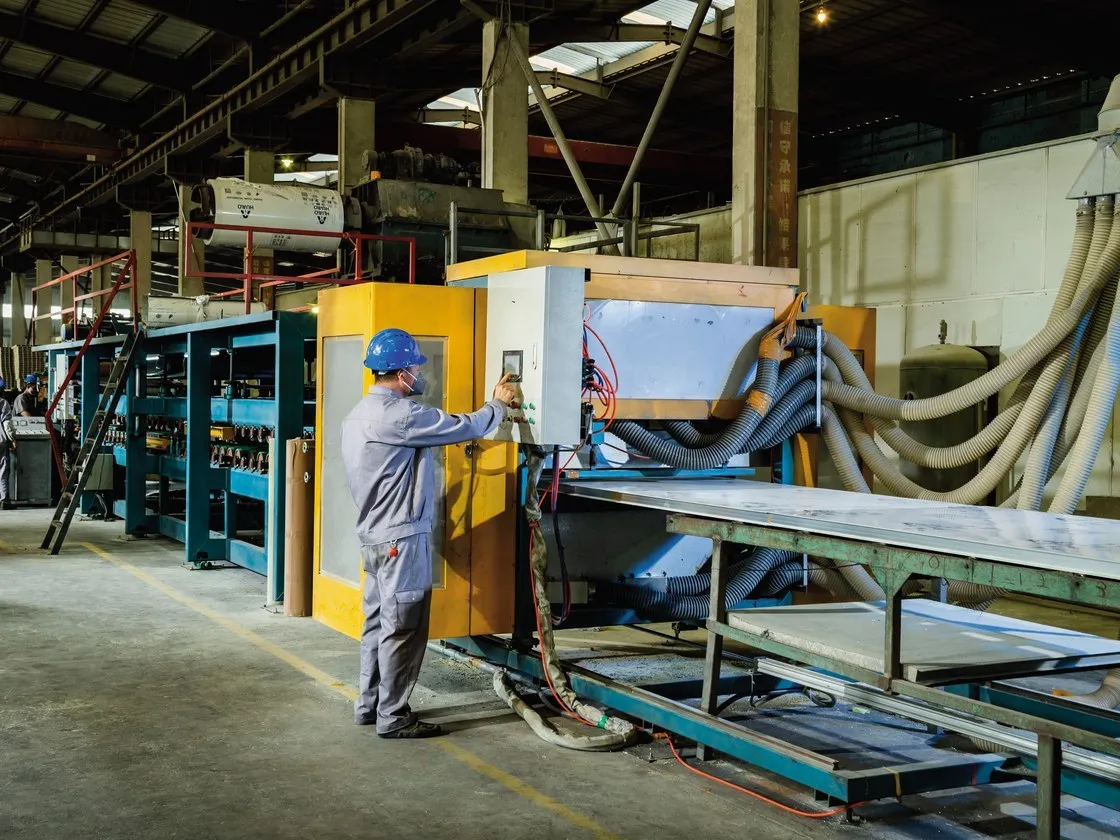
Aluminum Composite Panel (ACP) and Aluminum Composite Material (ACM) are often used interchangeably, yet they denote distinct material constructions. Understanding the difference is essential for correct specification.
ACP (Aluminum Composite Panel) traditionally refers to panels with a polyethylene (PE) core between two aluminum skins. The PE core provides excellent formability and light weight, making ACP the default for signage, interior cladding and low-rise commercial applications where fire regulations permit combustible cores. Typical aluminum skin thickness ranges from 0.21 mm to 0.50 mm, with overall panel thicknesses of 3 mm, 4 mm and 6 mm.
ACM (Aluminum Composite Material) is the broader term encompassing panels with non-combustible or fire-retardant cores. Core materials divide into three classes: PE core (standard, combustible), FR core (fire-retardant, typically 70% mineral filler, classified B1 under GB 8624 / Class B under ASTM E84), and A2 core (non-combustible mineral core, classified A2-s1,d0 under EN 13501-1 or A-grade under GB 8624). ACM fire-rated panels typically use 0.30–0.50 mm skins for heat dissipation and structural integrity during fire events.
The coating system determines weathering performance and colour stability. Standard exterior specification is PVDF (polyvinylidene fluoride) coil coating in 70% Kynar 500 resin, applied at 25–35 µm dry film thickness per side, achieving 20–30 year colour retention. FEVE (fluoroethylene-vinyl ether) coatings offer superior gloss retention at a 15–25% premium. Both systems are available in two-coat and three-coat configurations, with the latter providing maximum UV resistance for tropical and desert climates.
Fire Safety & Building Code Compliance
Fire safety is the most consequential specification criterion for ACP and ACM cladding. The Grenfell Tower fire in London (June 2017), where polyethylene-cored ACP panels contributed to rapid vertical flame spread causing 72 fatalities, fundamentally changed how these materials are specified worldwide.
In China, GB 8624-2012 classifies materials as Class A (non-combustible), B1 (difficult-to-burn), B2 (combustible) or B3 (flammable). Buildings above 24 metres require minimum Class B1 cladding; many authorities now mandate Class A above 50 metres. Hanart defaults to A2-grade mineral-core ACM for all buildings exceeding 50 metres, permitting B1 FR-core only on low-rise structures with documented risk assessment.
In the United States, ASTM E84 measures flame spread index (FSI) and smoke developed index (SDI); Class A requires FSI 0–25. NFPA 285 tests the full wall assembly under controlled flame exposure and is mandatory for combustible cladding above 12 metres. Many jurisdictions now require NFPA 285 even for FR-core panels as a safeguard. The UAE and Qatar have banned PE-core ACP above 15 metres, mandating third-party NFPA 285 or EN 13501-1 testing for all ACM systems. Hanart's workflow includes a mandatory fire-rating check at concept stage to prevent costly redesign.
Structural Performance & Wind Load
ACP and ACM panels must withstand wind pressure, suction, seismic drift and thermal cycling. Structural design begins with wind load calculation per local code — GB 50009-2012 in China, ASCE 7 in the US, EN 1991-1-4 in Europe — followed by panel sizing, support spacing and deflection verification.
The section modulus and bending stiffness depend on aluminum skin thickness, core shear modulus and overall panel thickness. A 4 mm PE-core panel with 0.30 mm skins has a section modulus of approximately 16 mm³/mm; deflection must satisfy the L/180 criterion (span divided by 180). For high-wind regions such as coastal UAE or typhoon zones, panel span is reduced or thickness increased to 6 mm to maintain L/180 without excessive rails.
Reinforcement strategies include aluminium or steel stiffener profiles bonded to the rear face, increasing effective section depth and reducing deflection by 40–60%. Stiffeners are essential for panels exceeding 1,500 mm width or with complex geometries. Hanart's structural team models every layout in 3D FEA, verifying stress at fixings and thermal expansion joints before fabrication.
Surface Finish & Color Options
Modern coil-coating technology allows virtually any colour, texture and optical effect on aluminum skins with industrial consistency.
Solid colours in matte, satin and high-gloss are the most widely specified category. Colour matching uses spectrophotometric measurement with a pass criterion of Delta E (ΔE) < 1.5 between production batches. Hanart's partners maintain master standards for every project, verifying consistency with handheld spectrophotometers before shipment.
Metallic and pearlescent finishes incorporate mica or aluminium flake pigments, creating dynamic colour shifts under sunlight — popular for signature towers and cultural buildings. Wood-grain and stone-grain finishes replicate natural textures without the weight and maintenance of real stone. Mirror and brushed anodized finishes extend the palette into reflective surfaces; mirrors require careful placement to avoid glare.
Anodized aluminum creates a 5–25 µm thick oxide layer integral to the substrate, offering superior abrasion resistance. Anodized panels suit high-traffic plinths, column covers and interior walls where physical contact is frequent.
Installation Systems
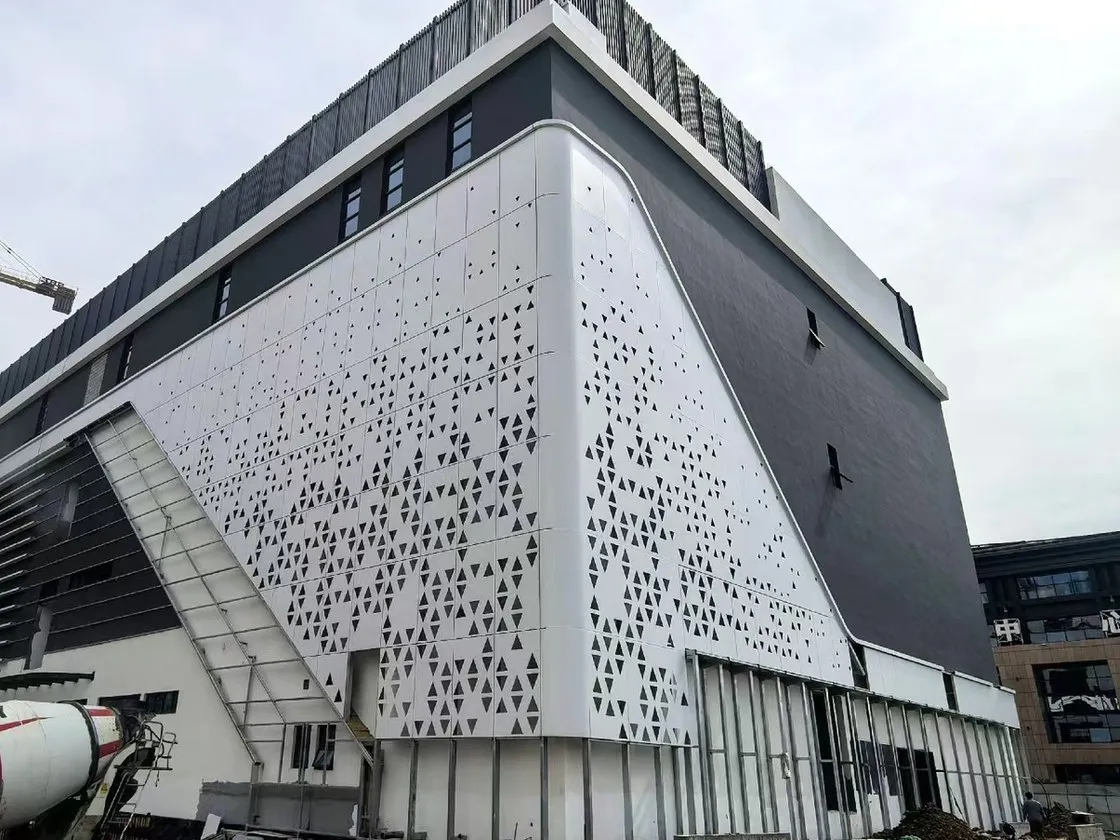
Hanart designs and installs three primary ACP/ACM mounting systems selected by project scale, seismic requirements and aesthetic intent.
Rainscreen (dry-hung) system. Panels hang on a lightweight aluminium subframe with concealed clips or Z-bars, creating a ventilated cavity that drains moisture and prevents condensation. Clips are mechanically fastened at 300–600 mm centres depending on wind load. Slotted holes accommodate thermal expansion, preventing buckling.
Unitized cassette system. For high-rise towers, panels are factory-assembled into cassettes complete with insulation, air barrier and fixings, then craned into position. This reduces site labour by 60–70%, improves dimensional accuracy and seals 100% of joints under factory conditions. Hanart produces cassettes up to 4,000 × 1,500 mm at its Shanghai facility.
Edge folding and curved panels. Panels are brake-pressed, roll-formed or CNC-routed to create folded edges, curves and 3D shapes. Minimum bend radius is approximately 100 mm for 4 mm PE-core and 150 mm for mineral-core ACM. Hanart's CNC centre maintains ±0.5 mm accuracy, ensuring crisp joint lines.
Joint design — sealed vs open. Sealed joints use colour-matched silicone for weather-tightness. Open joints rely on rainscreen drainage, producing a shadow-line aesthetic but requiring tighter fabrication tolerances (±1.0 mm). Hanart recommends open joints for high-end commercial projects and sealed joints for institutional buildings.
Durability & Maintenance
A well-specified ACP/ACM facade delivers 20–30 years of service. Durability depends on the coating system, core material and maintenance regime.
PVDF-coated panels carry warranties of 20 years for colour retention and 30 years for film integrity in temperate climates. In tropical, desert or coastal environments, realistic service life is 15–20 years. FEVE coatings offer marginally better gloss retention at a 15–25% premium.
Self-cleaning coatings based on photocatalytic TiO² nanoparticles break down organic deposits under UV exposure, creating a hydrophilic surface that allows rainwater to sheet-wash the panel. Hanart has installed these coatings on hospital and research projects, reducing cleaning frequency from quarterly to annual cycles.
Standard maintenance includes annual visual inspection of coating and sealant; bi-annual cleaning with neutral pH detergent; and a comprehensive five-year survey with adhesion testing and colour measurement. Hanart provides customised maintenance manuals and inspection schedules for every project.
Hanart ACP/ACM Project Portfolio
Shanghai Hanart Facade Specialist has engineered, fabricated and installed ACP and ACM panel systems on more than sixty commercial, institutional and transportation projects since 2005. Our project experience spans the full technical spectrum from standard PE-core ACP on low-rise retail parks to A2-grade mineral-core ACM on 200-metre supertall towers.
We maintain authorised fabricator partnerships with leading global ACP/ACM manufacturers including Alucobond (3A Composites, Switzerland), Reynobond (Arconic, USA), ALPOLIC (Mitsubishi Chemical, Japan) and Jiyu (China). These partnerships give Hanart access to the full product range — standard, fire-retardant and non-combustible cores in all thicknesses and coating systems — with direct technical support from the manufacturer's R&D teams. For projects with custom colour or texture requirements, we coordinate colour development and batch approval directly between the architect's design team and the coating supplier, eliminating the communication delays that plague multi-tier procurement chains.
Our quality control workflow for ACP/ACM projects includes incoming material inspection (coating adhesion test, core density verification, skin thickness measurement), in-process fabrication audits (CNC accuracy, bend radius conformance, edge treatment quality), and pre-shipment panel inspection (colour consistency check, dimensional tolerance, protective film integrity). Every panel is traceable to a production batch, a raw material certificate and a QC inspector sign-off. This traceability is critical for fire-rated ACM projects, where authorities and insurers may require batch-specific test report evidence years after installation.
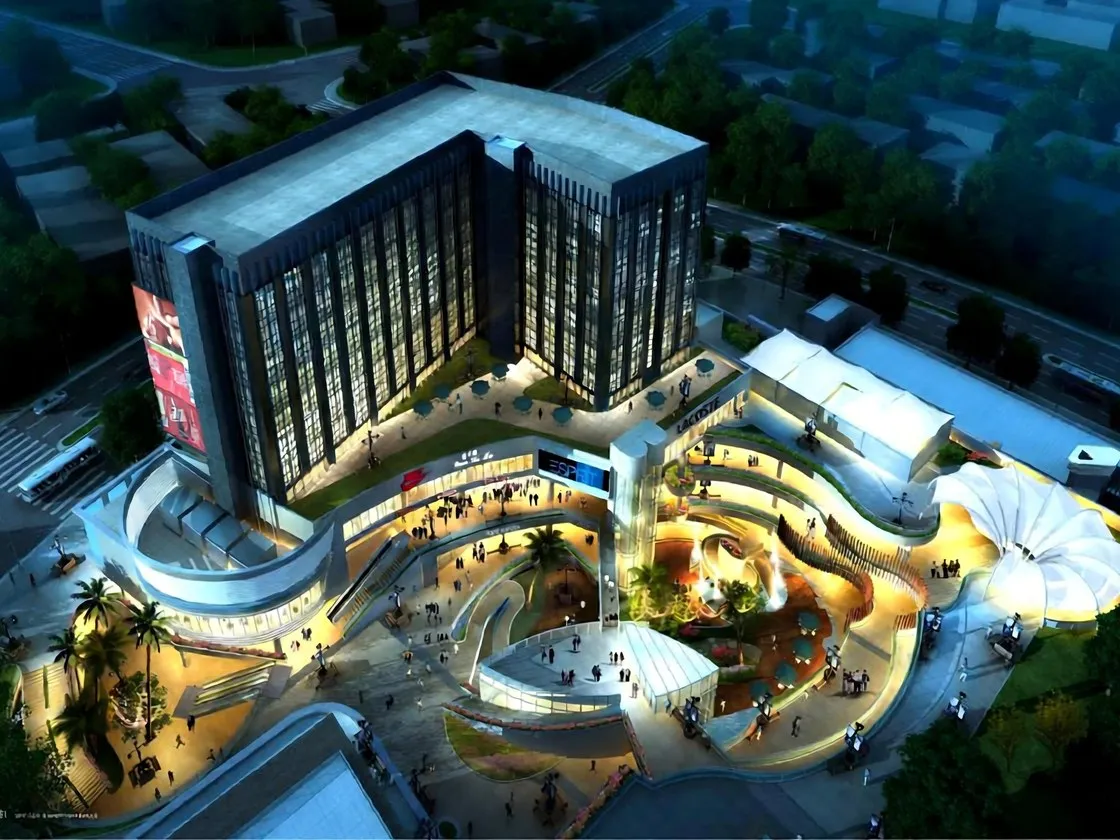
Notable ACP/ACM projects in the Hanart portfolio include the Zhejiang Art Museum (Hangzhou, 35,000 m² of custom-anodized ACM with open-joint rainscreen), the Taiyuan International Airport Terminal 2 expansion (28,000 m² of PVDF-coated A2-core ACM in unitized cassettes), and the Ulaanbaatar Grand Plaza mixed-use tower (18,000 m² of metallic-finish ACM with concealed fixing and perimeter LED integration). Each project demonstrates a different optimisation of the ACP/ACM system — aesthetic, structural, fire-rated and installation-method — tailored to the specific performance and budget envelope.
Talk to an ACP Specialist Explore ACP/ACM Products →
Frequently Asked Questions
What is the difference between ACP and ACM?
ACP (Aluminum Composite Panel) typically refers to panels with a polyethylene (PE) core, while ACM (Aluminum Composite Material) is the broader category that includes PE-core, fire-retardant (FR) core and non-combustible (A2) mineral-core panels. In practice, the terms are often used interchangeably, but ACM is increasingly preferred for fire-rated applications to avoid ambiguity.
Can PE-core ACP be used on high-rise buildings?
In most jurisdictions, standard PE-core ACP is prohibited or heavily restricted on buildings above 12–24 metres due to combustibility concerns. Post-Grenfell regulatory reforms in the UK, UAE, Australia and China have tightened these restrictions further. For high-rise projects, Hanart specifies FR-core or A2 mineral-core ACM with certified NFPA 285 or EN 13501-1 test reports.
How long does PVDF coating last on an ACP facade?
PVDF coil coatings carry manufacturer warranties of 20 years for colour retention and 30 years for film integrity under standard temperate conditions. In extreme UV, coastal or industrial environments, realistic service life is 15–20 years before noticeable fading or chalking occurs. FEVE coatings extend gloss retention but at higher cost.
What is the minimum bend radius for ACP/ACM panels?
For 4 mm PE-core panels, the minimum bend radius is approximately 100 mm. For 4 mm mineral-core (A2 or FR) panels, the minimum bend radius is approximately 150 mm due to the lower ductility of the mineral filler. Thicker panels (6 mm) and panels with heavy stiffeners require proportionally larger bend radii. Hanart's CNC and brake-press teams verify bend feasibility for every custom geometry during the shop drawing stage.
Does Hanart provide installation as well as supply?
Yes. Hanart is a design-fabricate-install contractor, not a material distributor. Our project delivery model includes structural design, thermal analysis, fire strategy coordination, factory fabrication, site installation and aftercare maintenance. We provide fixed-price lump-sum quotations for ACP/ACM facade packages, including all materials, labour, scaffolding, testing and commissioning.
Request ACP Panel Specifications
If your project requires aluminum composite panel cladding — whether standard ACP, fire-retardant FR-core ACM or non-combustible A2-grade mineral-core panels — Hanart's engineering team can deliver a complete technical proposal covering material specification, coating selection, structural analysis, fire compliance documentation, fabrication detailing and installation methodology. We provide fixed-price quotations with guaranteed programme delivery.
For architects, consultants and contractors reviewing ACP/ACM options, we also supply product data sheets, type-test report summaries, colour samples, mock-up panel fabrication and BIM-compatible detail libraries for Revit integration.
Request ACP Panel Specifications View ACP/ACM Product Range →