

Periodic Inspections
Structured facade inspections — visual, moisture and functional checks — with findings ranked by risk and a documented action plan for each item.
A facade is a 50-year asset that most owners think about only when something leaks. Hanart's aftercare treats maintenance as asset protection — scheduled, documented and accountable.
The building envelope degrades in predictable stages, and almost every failure mode is detectable before it becomes visible. Sealants age, drainage paths silt, gaskets harden, and movement accommodation slowly exceeds its design assumption. Catching these at inspection stage costs a fraction of repairing them at failure stage — and it protects the building's operational performance, energy efficiency and tenant confidence.
Hanart's aftercare service exists for exactly this reason. Because the company designed and fabricated most of these facades, its maintenance teams work from the original fabrication records — the gasket profile, the sealant specification, the drainage geometry — rather than from field guesses. That traceability is the difference between maintenance and archaeology.
Structured facade inspections — visual, moisture and functional checks — with findings ranked by risk and a documented action plan for each item.
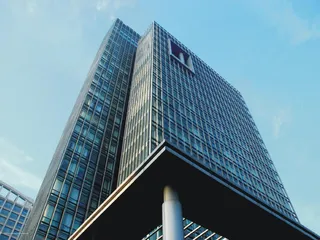
Recommended cleaning frequencies and maintenance cycles tailored to the facade system, climate and exposure — a plan the property team can actually run.

Targeted testing to confirm suspected issues, followed by engineered repairs executed by trained crews — sealed, drainage-cleared and verified afterward.
| Issue | Typical Cause | Hanart's Response |
|---|---|---|
| Sealant cracking or adhesion loss | Ageing, UV exposure, or movement beyond design assumptions | Engineered re-sealing with correct joint geometry and tested materials |
| Water intrusion at intersections | Blocked drainage, failed perimeter seals, or damaged gaskets | Source trace, drainage clearing, targeted repair and retest |
| Gasket hardening or shrinkage | Material ageing under solar exposure | Replacement with current equivalent profiles from fabrication records |
| Hardware wear or sticking panels | Normal cycling, mis-adjustment or corrosion | Inspection-driven adjustment or component replacement |
Aftercare engagements are structured as long-term programs — annual inspection and maintenance cycles with documented history, so the building's envelope has a clinical file, not a scattered memory. For owners of Hanart-delivered facades this is a natural continuation; for other buildings, the team starts with a baseline inspection and builds the record from there.
Every program is priced transparently with a defined scope, and every visit produces a written report with recommendations prioritized by risk and cost. That is the asset-protection standard a 50-year facade deserves.
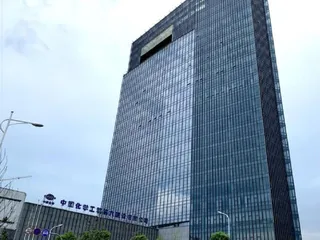
Structured periodic inspections — visual, moisture and functional — with findings ranked by risk and a documented action plan for each item.
Yes. Because the teams work from original fabrication records where they exist, and from structured field diagnosis where the history is unknown.
The plan is tailored to the system, climate and exposure; Hanart recommends the inspection cycle in the written plan rather than a fixed default.
Findings are ranked by risk, and each item gets a documented action plan with costed repair or maintenance steps.
Request a baseline inspection or a maintenance program quote — response within 24 hours.