

System Recommendations
Unitized vs. stick-built, glazing family, framing and gasket strategies — recommended with reasons tied to your climate, height, program and budget, not to inventory.
The best facade decisions happen before the drawings freeze. Hanart's design assist brings contractor-grade engineering into your concept, schematic and design development stages — when improvement is still cheap.
There is a pattern in facade procurement: by the time the tender documents are issued, the critical decisions are already made — the system type, the performance targets, the budget envelope and the interface structure. A contractor invited only to bid on frozen documents can optimize inside those limits, but cannot improve the limits themselves.
Design assist exists to move contractor knowledge upstream. Hanart's engineering team joins while the concept is still malleable — typically at feasibility or schematic stage — and works alongside the architect and owner to shape what is eventually tendered. The result is a facade that is buildable, testable and affordable as designed, rather than re-engineered into submission later.
| Project Stage | Hanart's Design-Assist Input |
|---|---|
| Feasibility / concept | System type screening, performance target framing, budget envelope and risk flags — before the architect commits a form. |
| Schematic design | Structural and thermal feasibility of chosen systems; glazing performance direction; early interface strategy with structure and MEP. |
| Design development | Shop-drawing-ready system development, performance verification plan, and cost framework refined to tender confidence. |
| Tender documentation | Specifications and interface documents that invite competitive, realistic bids — and that Hanart can itself contract against. |
Unitized vs. stick-built, glazing family, framing and gasket strategies — recommended with reasons tied to your climate, height, program and budget, not to inventory.

Air, water, structural and thermal performance targets written in a testable form, so every later stage can be verified against numbers, not opinions.
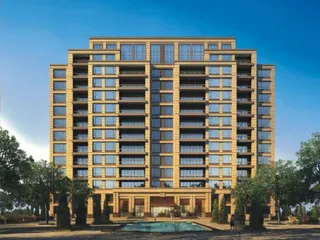
Order-of-magnitude facade cost positioned early, with the levers that move it — unitization, glazing spec, panel rhythm — explained in plain language.
Value engineering is not cutting quality — it is relocating budget from invisible performance to visible value. Typical moves include rationalizing panel sizes to standard limits, selecting glazing that meets performance at the right price point instead of overspecifying, and aligning the system choice with the fabrication line's proven tolerances.
Because Hanart both designs and fabricates, its value engineering is grounded in real process cost — what a panel genuinely costs to make, handle and install — rather than catalog pricing. The savings are documented with engineering rationale, so the architect's design intent survives the budget.
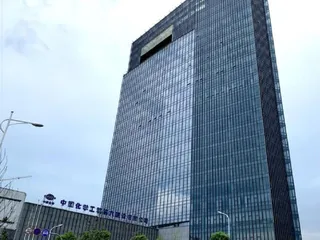
Design assist engagements run on an agreed scope with defined deliverables, and they can be taken forward into a full turnkey contract without re-negotiating the fundamentals — which is why Hanart can afford to give the early advice straight. See how design assist feeds the full service chain →
An hour with Hanart's engineering team at schematic stage routinely prevents weeks of rework at tender stage.