
Curtain Wall Maintenance & Lifecycle Cost: The 50-Year Math
The cheapest facade quote is rarely the cheapest facade. Over a 50-year building life, maintenance and replacement can cost several times the original package — and which one you get is decided by system selection made at tender. This article lays out the lifecycle cost model Hanart uses to compare facade options and to keep its own buildings performing into their third decade.
Published 9 October 2026 — Hanart Facade Engineering Team
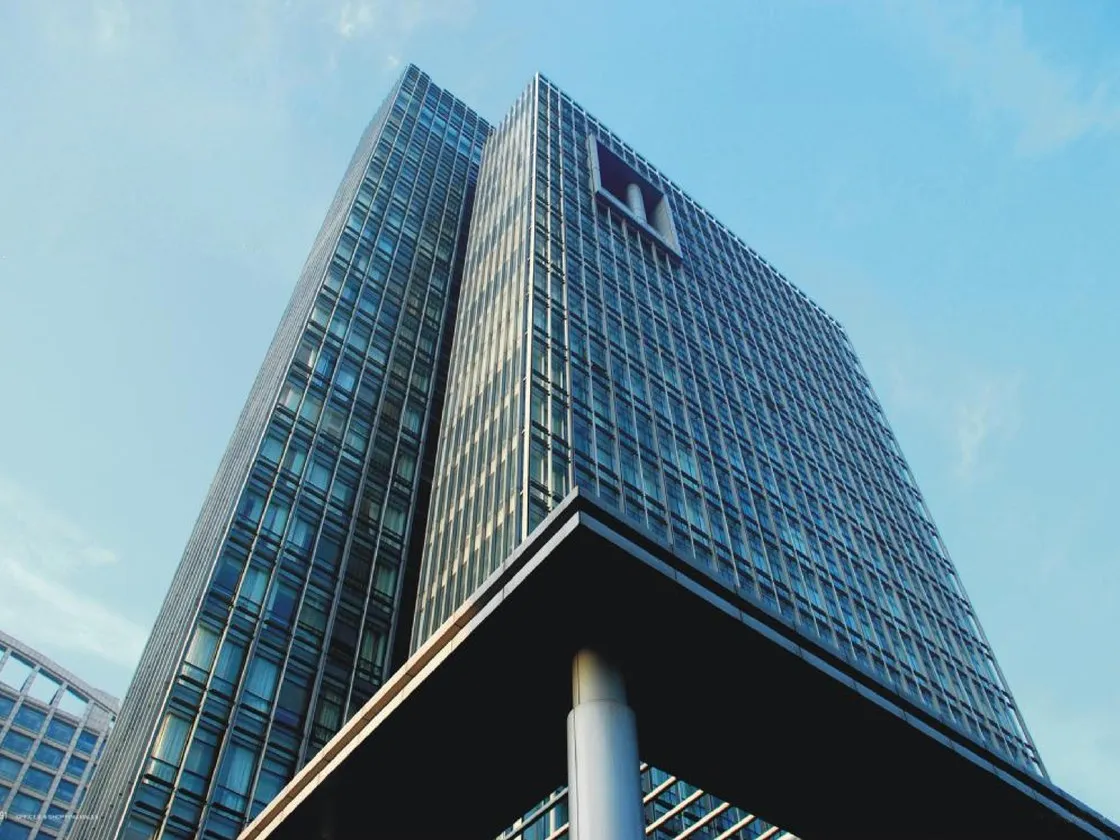
Cleaning is the largest recurring maintenance cost — and the cheapest line item to get wrong in the access design.
Why Lifecycle Cost Belongs in the Tender
Cleaning is the largest recurring maintenance cost — and the cheapest line item to get wrong in the access design.
Facade procurement decisions are made on first cost because first cost is what the budget shows today. The lifecycle cost is spread over decades and accrues to whoever owns the building later — which in a build-to-sell market means nobody in the decision loop pays for it. But for owner-occupiers, funds and government buildings, the envelope's lifecycle cost is a real balance-sheet number, and it changes the system selection: a cheaper system that fails at year 20 can cost more than a premium system that serves 60.
Hanart maintains a lifecycle cost model for its own portfolio — towers and hospitals in service since the 1990s — built from cleaning contracts, maintenance records, sealant renewal projects and replacement rates. The numbers below are ranges from that record, normalised to a 2026 currency basis, and are intended as a decision framework, not a quote. The structure is what matters: five cost streams over the building life. This article also complements the maintenance guide already published on this site, which covers the practical care programme in detail.
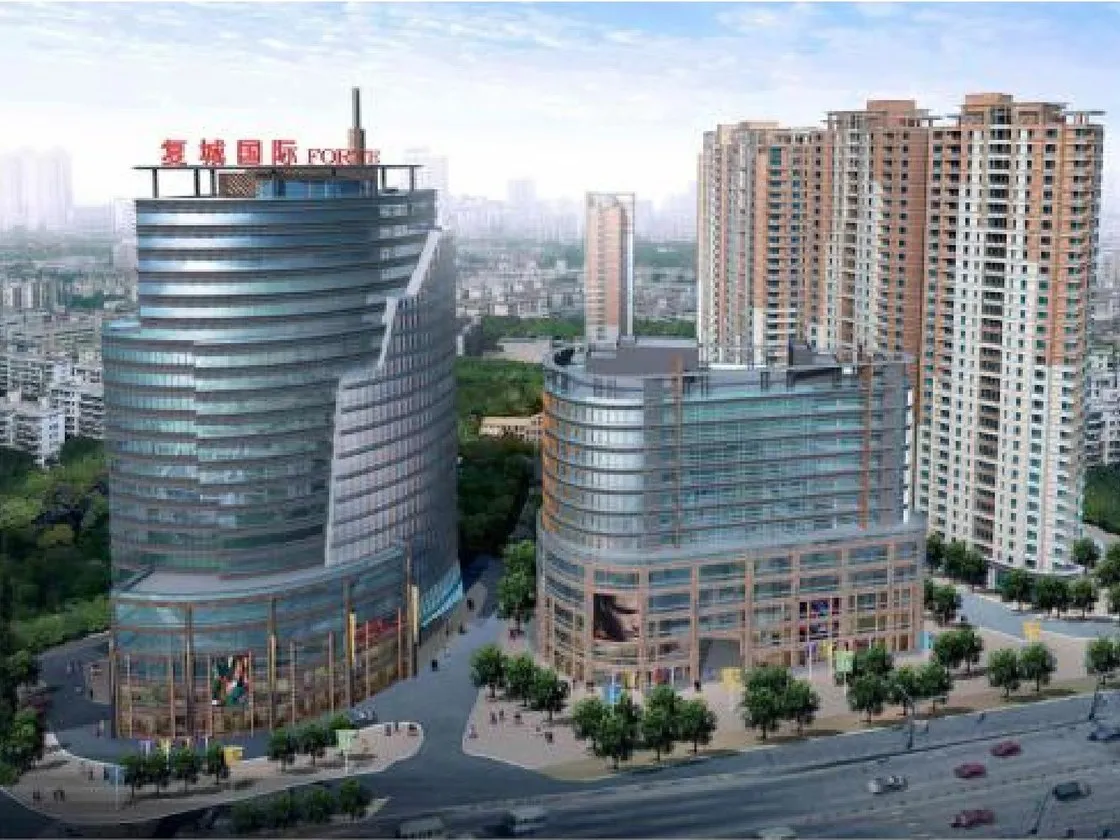
A facade designed for 50 years looks different in its third decade — the archive shows where the maintenance plan met the design intent.
The Five Cost Streams of a Facade Life
A facade designed for 50 years looks different in its third decade — the archive shows where the maintenance plan met the design intent.
1. Cleaning. The largest recurring cost stream. A typical tower with an automatic cradle cleans the curtain wall one to four times a year depending on environment — coastal and industrial sites accumulate grime faster. Cleaning cost is driven by access strategy (cradle versus mast climber versus rope access), by panel geometry (ledges trap dirt) and by glass type (certain coatings attract stains). Over 50 years, cleaning on a city tower typically reaches 1.5–3x the first cost of the facade package. This is why Hanart treats cleaning access as a design decision, not a handover detail: the wrong cradle position can force scaffold hire for decades.
2. Sealant and gasket renewal. Weather sealants have a service life of roughly 10–20 years depending on movement, ultraviolet exposure and chemistry; structural silicone lasts longer but must be inspected and periodically sampled. Gaskets (EPDM) degrade with UV and ozone. Renewal programmes are the classic 'facade hospital stay': sealant replacement on a 30-storey tower typically costs 3–8% of the original facade cost per renewal cycle, and poorly selected systems need the work twice as often. The design choice that matters: profile geometry that allows sealant replacement without dismantling glass.
3. Hardware and moving parts. Window actuators, vents, louvre blades and their drives wear out on cycles measured in years, not decades. Motorized vents on office facades are the single most failure-prone component family; the lifecycle model assumes actuator replacement at 10–15 years and controls replacement at 15–20. Specifying robust hardware at tender is a lifecycle purchase: the premium is small, the replacement labour is large.
4. Glass replacement. Glass should last the life of the building, but reality intervenes: impact breakage, thermal stress fractures, nickel-sulphide breakage in untempered or non-heat-soaked panes, and IGU seal failure causing condensation and fogging. IGU failure starts to be statistically visible after 20 years, driven by seal quality and thermal movement. Replacement cost includes the glass, the hoisting and the facade access — on a tower the installed cost can be 3–5x the pane price. The lifecycle lever: heat-soaked tempered glass, quality IGUs with proper desiccant, and unitized construction where a panel is replaceable without disturbing neighbours.
5. Structural review and upgrades. Codes change — wind maps, seismic maps and energy standards all tightened across the 1990s and 2000s. Buildings are often required to verify and upgrade their envelopes: retrofit anchoring, spandrel insulation, glass replacement to new energy standards. These works are measured in the same currency as new facades. A building whose original system was simple and documented retrofits cheaply; one whose facade was a bespoke puzzle retrofits painfully.
The Cost Model in Numbers
| Cost Stream | Frequency | Cost Relative to First Facade Cost | Design Levers |
|---|---|---|---|
| Cleaning | 1–4x per year | 1.5–3.0x total over 50 years | Access strategy, panel geometry, dirt-shedding coatings |
| Sealant & gasket renewal | Every 10–20 years | 0.05–0.08x per cycle | Replaceable joints, quality EPDM and UV-resistant silicone |
| Hardware & actuators | Every 10–15 years | Small capital, large labour | Robust spec, serviceable fixings |
| Glass replacement | Spikes from year 20 | 3–5x pane price installed | Heat soaking, quality IGU, unitized replaceability |
| Code-driven upgrades | Era-dependent | 0.2–1.0x per upgrade | Simple documented systems, retrofit-friendly anchors |
The ranges assume a quality unitized or stick-built system installed to standard and maintained normally. A poor system in a harsh environment can double every stream; an excellent system maintained well can halve them. The table's message is not 'buy the most expensive system' but 'buy the system whose five streams you can control'.
Why the First Quote Is Not the Whole Price
The lifecycle view re-frames three tender decisions. First, the glass package: a heat-soaked tempered and quality-coated IGU costs a few percent more and removes the two biggest mid-life failures (spontaneous breakage and IGU fogging). Second, the access strategy: specifying the cradle track and gantry at tender costs single digits in percentage terms; adding it after handover costs multiples and disturbs occupants. Third, the unitization: a unitized wall whose panel is individually replaceable turns a glass failure into a single-crane operation instead of a scaffold wedding.
Hanart's own portfolio demonstrates the model: facades delivered in the 1990s and 2000s are still in service with documented cleaning, sealant renewal and targeted glass replacement programmes — the archive records feed the maintenance guide that new owners receive at handover. The company's maintenance team (reachable at bob@hanartfacade.com or +86-21-5106 1751) services both its own builds and legacy facades from other suppliers, which keeps the cost model honest: the numbers come from buildings the engineers actually maintain, not from textbook assumptions.
Building a Lifecycle Comparison for Your Project
For the tender stage, Hanart offers a lifecycle comparison as an addendum to the bid: the first-cost quote plus a 50-year cost projection with the five streams above, using the project's environment and maintenance assumptions. Owners who compare on that basis rarely choose the cheapest first-cost bid, and the decision is documented rather than regretted. For an existing building needing a maintenance and renewal plan, the team audits the facade condition, produces the costed plan and can execute it — from a sealant renewal to a full glass replacement programme. Send the building data to bob@hanartfacade.com to start the analysis.
You may also like:
Curtain Wall Service Life: When to Repair or Replace
Curtain Wall Maintenance Guide
Wind Load & Wind Tunnel Testing
Weathertightness in Extreme Climates
Frequently Asked Questions
How much does it cost to maintain a curtain wall over its life?
Across cleaning, sealant renewal, hardware, glass replacement and code upgrades, a city tower facade typically costs 1.5–3x its first price over 50 years. Cleaning is the largest recurring stream; glass and sealant events drive the spikes.
How often does a curtain wall need cleaning?
Typically one to four times per year depending on environment — coastal and industrial sites need more. The frequency is set by the condition assessment, and the cost is strongly driven by the permanent access strategy designed into the building.
How long does curtain wall sealant last?
Weather sealants last roughly 10–20 years depending on movement, UV exposure and chemistry; structural silicone lasts longer but needs periodic inspection and sampling. Renewal cycles cost 3–8% of the original facade cost each.
Is it better to repair or replace a 25-year-old curtain wall?
It depends on the system and the condition. If the structural system is sound and only seals, gaskets and some glass need renewal, a staged refurbishment at a fraction of replacement cost is usually right; if anchors are corroded or the system fails current wind or energy codes, replacement wins economically.
What extends the life of a curtain wall most?
Three things: quality glass (heat-soaked, well-sealed IGUs), designed maintainability (replaceable panels and joints, permanent access), and a disciplined maintenance programme with documented condition surveys from year one.